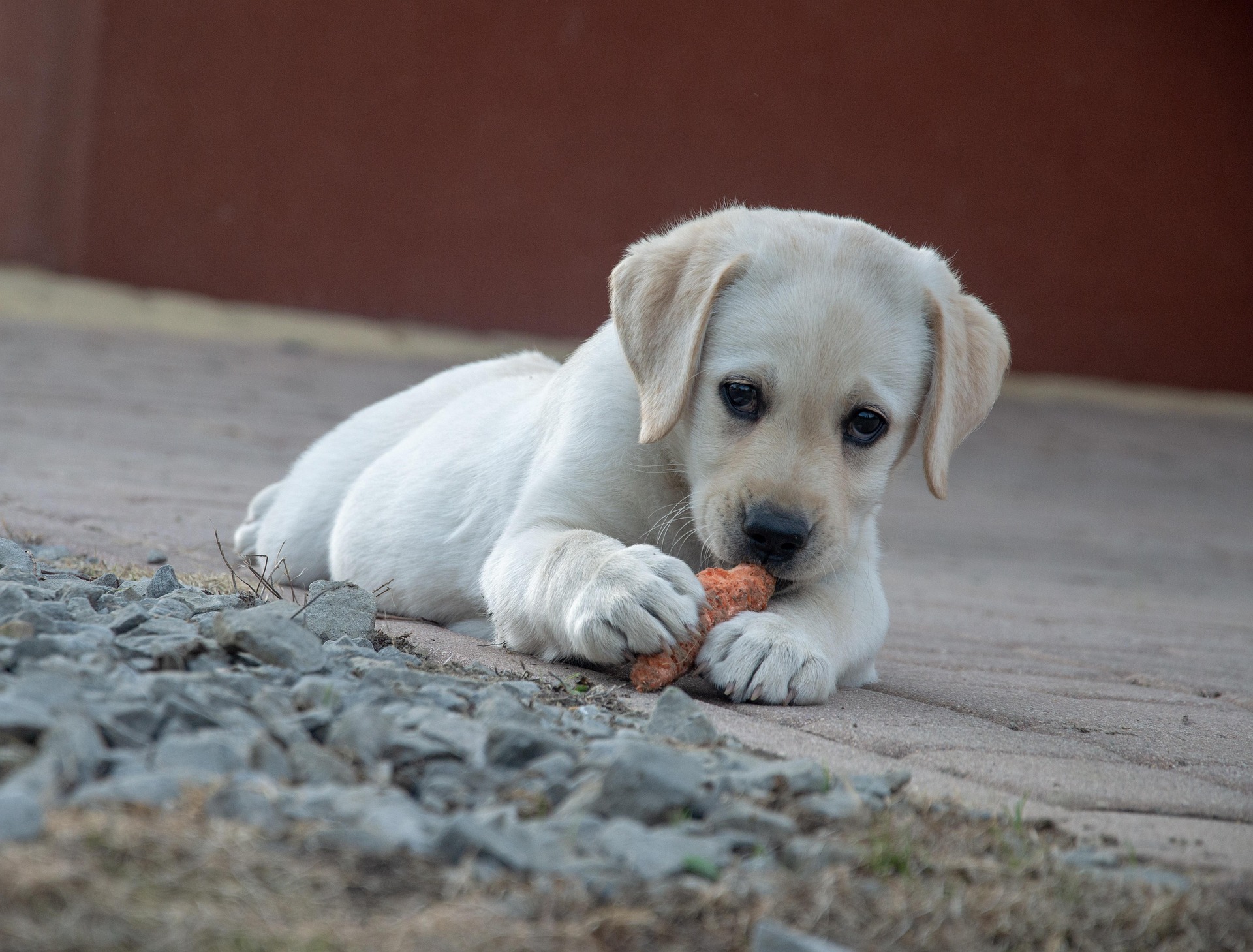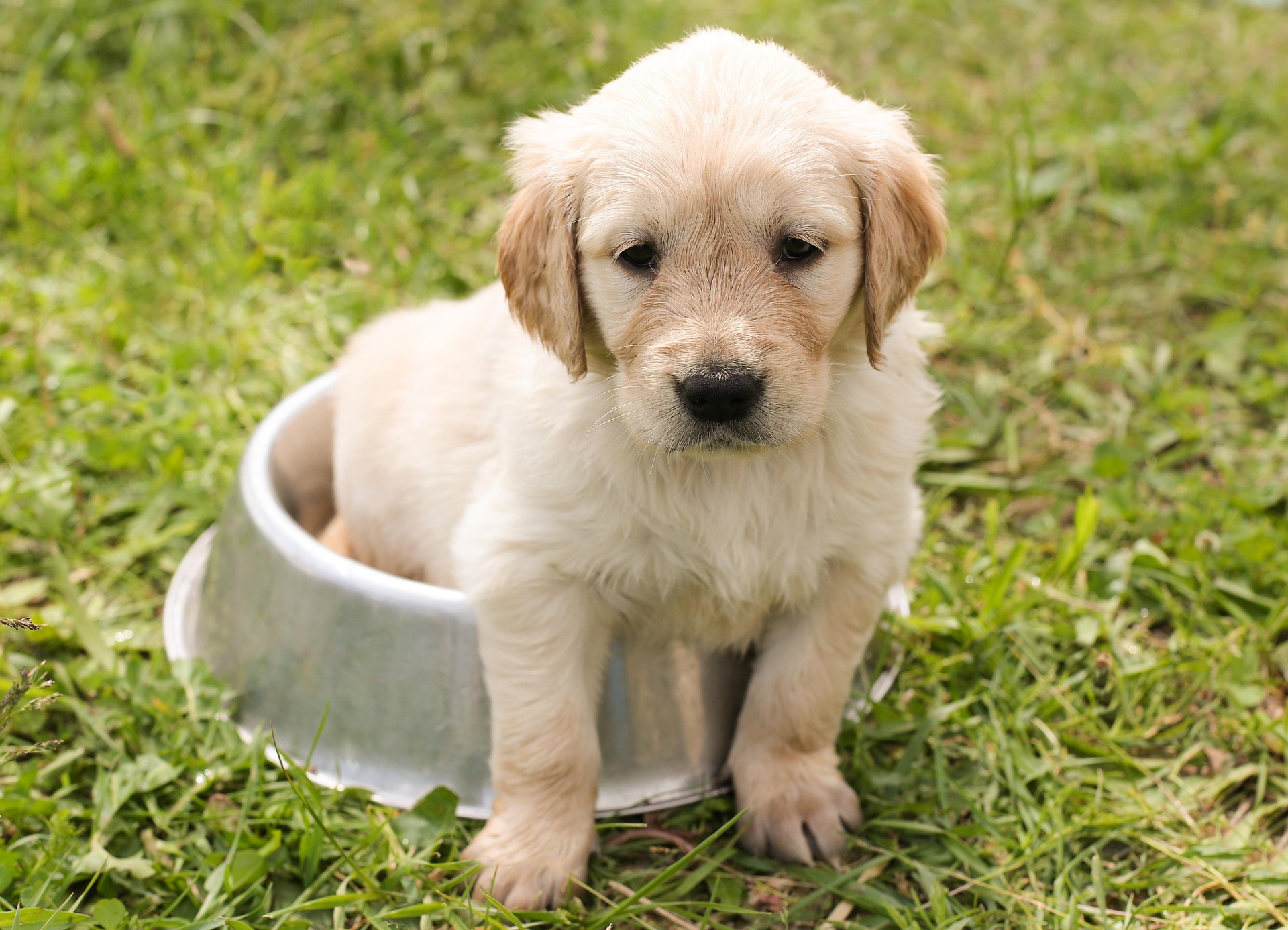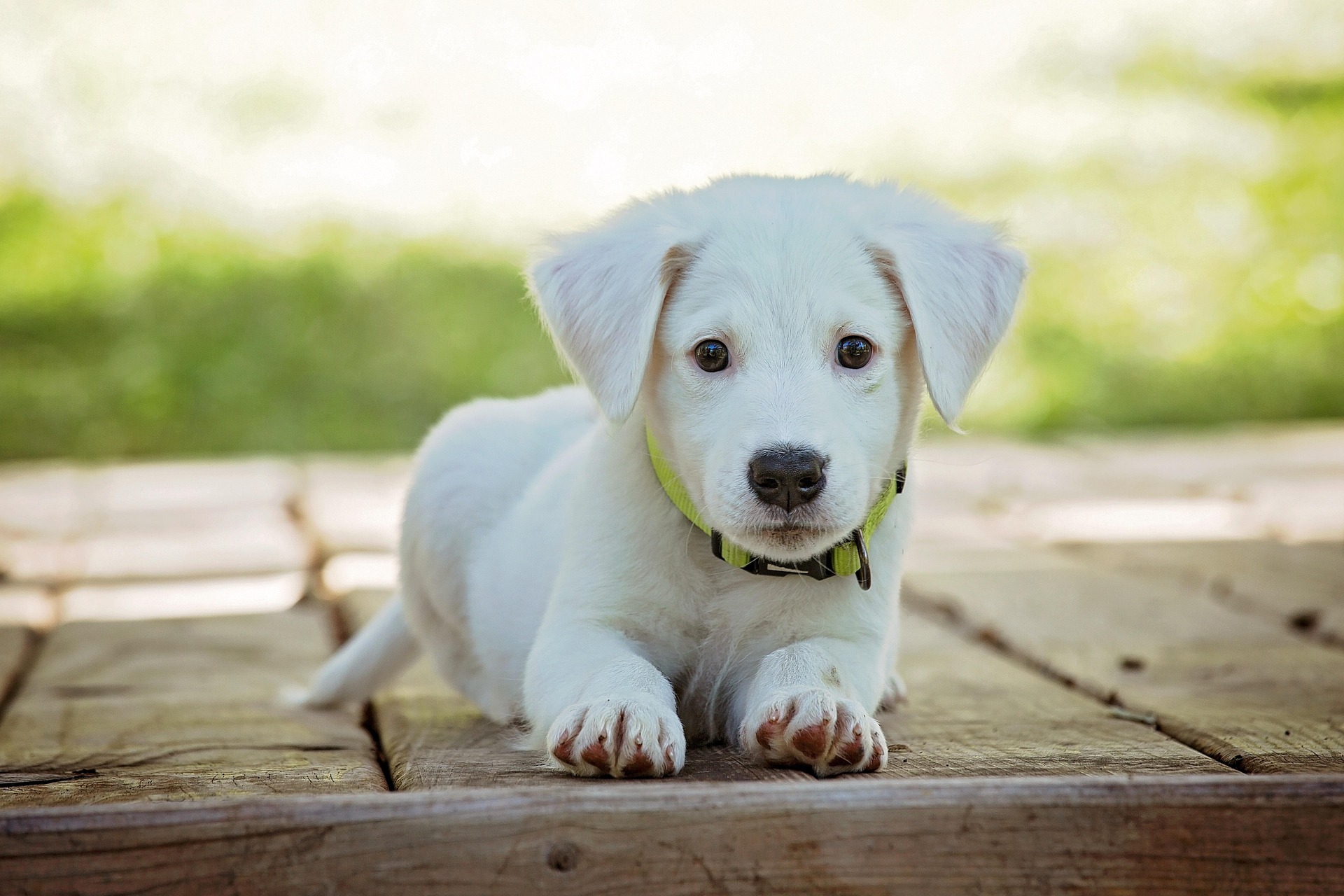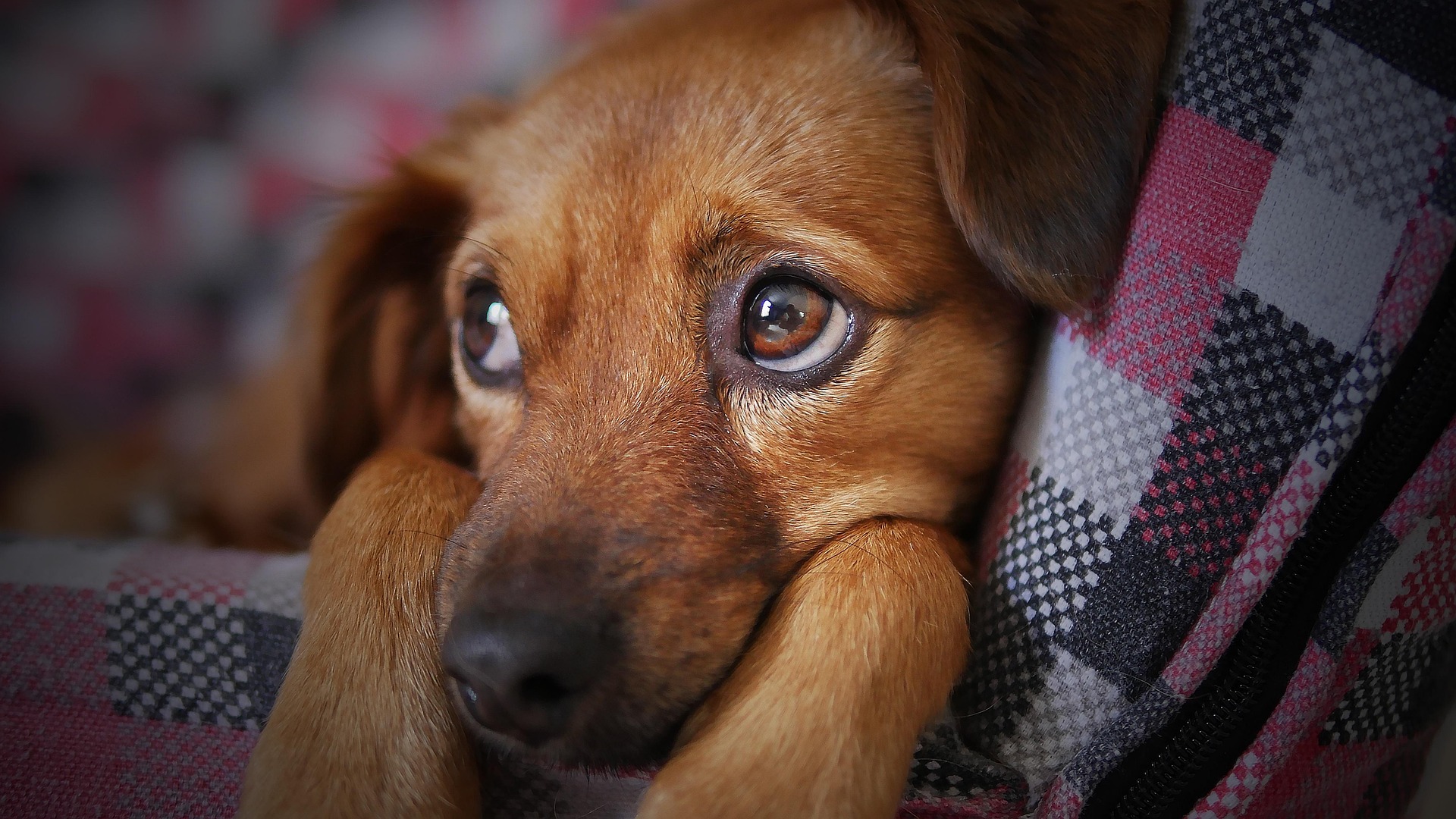
Discovering a pair of dark, rusty-brown or reddish streaks running directly from the inner corners of your young companion’s eyes down their muzzle can be a highly concerning sight. New owners frequently expect a clean, bright facial appearance, so encountering a permanent, damp discoloration that feels sticky or emits a stale odor causes instant worry. This sudden facial staining is a routine cosmetic and physical dilemma that almost every puppy parent faces, yet it hides a critical biological message. Your puppy isn’t producing eye gunk due to a moody phase or a simple outdoor dirt smudge; their delicate ocular environment is actively struggling with a heavy overflow of natural tear fluids, a localized structural blockage, or an environmental skin reaction. This frustrating scenario triggers immense anxiety among owners and drives millions of organic Google searches from people looking to evaluate their puppy’s sudden tear track changes.
Three Core Facts Every Owner Must Know
- The Porphyrin Chemical Reaction: Detailed scientific logs published in veterinary ophthalmology journals confirm that the rusty-red color of tear stains is caused by a naturally occurring iron-rich molecule called porphyrin. When a puppy’s eyes water, this porphyrin fluid coats the surrounding facial fur and reacts directly with environmental oxygen and light, a process known as oxidation that turns the white or light-colored hair into a deep, rusty stain.
- The Nasolacrimal Duct Blockage: In a structurally perfect dog, natural tears drain quietly out of the eye through microscopic tear ducts that travel straight down into the nasal cavities. However, in fast-growing puppies, these tiny nasolacrimal ducts can easily become blocked by normal cellular debris, minor tissue swelling, or genetic narrowness, forcing the excess tear fluid to overflow outward over their eyelids and run down their face.
- The Inward Eyelash Irritation: Because a puppy’s facial muscles and skin folds are changing shape rapidly during their first year of life, their eyelids can display temporary structural flaws. Conditions like distichiasis, where extra eyelashes grow inward toward the eyeball, or entropion, where the entire eyelid rolls inward, cause coarse hairs to rub continuously against the clear cornea, triggering an intense, non-stop watery response to flush out the scratchy irritation.
Fascinating Biological Discoveries and Internal Secrets
Beyond the basic tear drainage mechanics, researchers tracking juvenile canine health have uncovered several vital truths about how a puppy’s face structure and diet alter their tear production. A puppy’s facial shape dictates their structural tear path. Interestingly, scientists have discovered that dogs with short muzzles and shallow eye sockets, such as Pugs, Shih Tzus, and Malteses, suffer from an anatomical trait called medial canthal pocketing. This unique skeletal layout prevents the natural pool of tears from draining into the inner tear ducts, forcing the moisture to immediately spill over the lower eyelid rim. Furthermore, researchers have proven that high concentrations of heavy minerals like iron and magnesium in your household tap water can drastically increase the amount of porphyrin excreted through a puppy’s tears, meaning the hardness of your drinking water directly controls the darkness of the facial staining. This constant ambient moisture creates a perfect breeding ground for red yeast, known as Ptyrosporin, which amplifies the dark color and releases a sour, stale, or vinegar-like odor across their muzzle within days of damp exposure.
What Should You Do?
The best thing you can do as an owner is establish a daily facial hygiene routine to keep the skin beneath the fur completely dry and free of bacterial overgrowth. Use a soft, clean washcloth or a sensitive, fragrance-free pet eye wipe to gently wipe away fresh mucus and wet tear tracks twice a day before the porphyrin chemicals have an opportunity to oxidize against the air. Switch your puppy’s daily drinking water from standard municipal tap water to filtered or distilled water to drastically reduce their internal mineral intake and slow down the staining process naturally. Keep the long fur around their inner eye corners trimmed short using safe, blunt-tipped grooming scissors to prevent wet hair from curling inward and scratching the eyeball. Never use human skin bleaching products, hydrogen peroxide, or harsh makeup removers near your puppy’s eyes to lighten the fur, because these chemical compounds can trigger acute corneal burns, permanent chemical blindness, or toxic poisoning if the puppy licks their face.
The Quick Assessment Blueprint
- Normal Clear Watery Staining: A light pinkish or light brown streak down the face where the fur remains dry to the touch most of the day, and the puppy displays clear, bright eyes with zero blinking or squinting. The puppy remains high-energy, playful, and hungry.
- Localized Overgrowth and Odor: A deep, dark rusty-red stain that remains constantly wet and emits a distinct sour, corn-chip or stale odor from the muzzle fur. This is a primary indicator of secondary red yeast overgrowth or a minor tear duct blockage that can be safely managed with filtered water, daily drying wipes, and specialized veterinary facial flushes.
- Emergency Ocular Warning: A heavy, continuous flow of thick, sticky yellow or green pus from the eye corners, paired with a cloudiness covering the pupil, a swollen eye globe, or the puppy keeping their eyelids squeezed tightly shut in a bright room. If the puppy cries out when their head is touched or rubs their face frantically against the carpet until it bleeds, they are experiencing a severe corneal ulcer puncture, deep bacterial conjunctivitis, or acute glaucoma and require an immediate emergency veterinary visit.
When a puppy develops tear stains, it is typically caused by the oxidation of iron-rich porphyrin chemicals in their tears, a structural narrowness or blockage in their nasolacrimal drainage ducts, or inward-growing eyelashes that rub against the cornea. While mild clear watering from facial shape or tap water minerals is completely harmless and common, thick yellow pus discharge or constant closed-eye squinting indicates an active diagnostic or structural complication like a corneal ulcer. Owners should dry the face daily, trim long facial fur, and switch to filtered drinking water. Any sudden, severe eye pain paired with heavy blinking, blue cloudiness, or a bleeding muzzle requires an immediate diagnostic assessment from a qualified veterinarian.
© 2026 bffpuppy. All Rights Reserved.
Disclaimer: The information on bffpuppy is for educational and entertainment purposes only. We are not veterinarians, veterinary ophthalmologists, or licensed pet medical professionals. The content on this site is not a substitute for professional veterinary advice, diagnosis, or immediate clinical treatment. A sudden, widespread escalation in your puppy’s eye watering, corneal clouding, or discharge accompanied by severe facial swelling, structural changes to the eyeball, or extreme physical weakness requires an immediate professional medical or veterinary assessment. bffpuppy will not be held responsible or liable for any illnesses, setbacks, or actions taken based on the information provided in our articles. Always consult a qualified veterinarian regarding the specific physical health, optical safety, or medical needs of your canine companion.