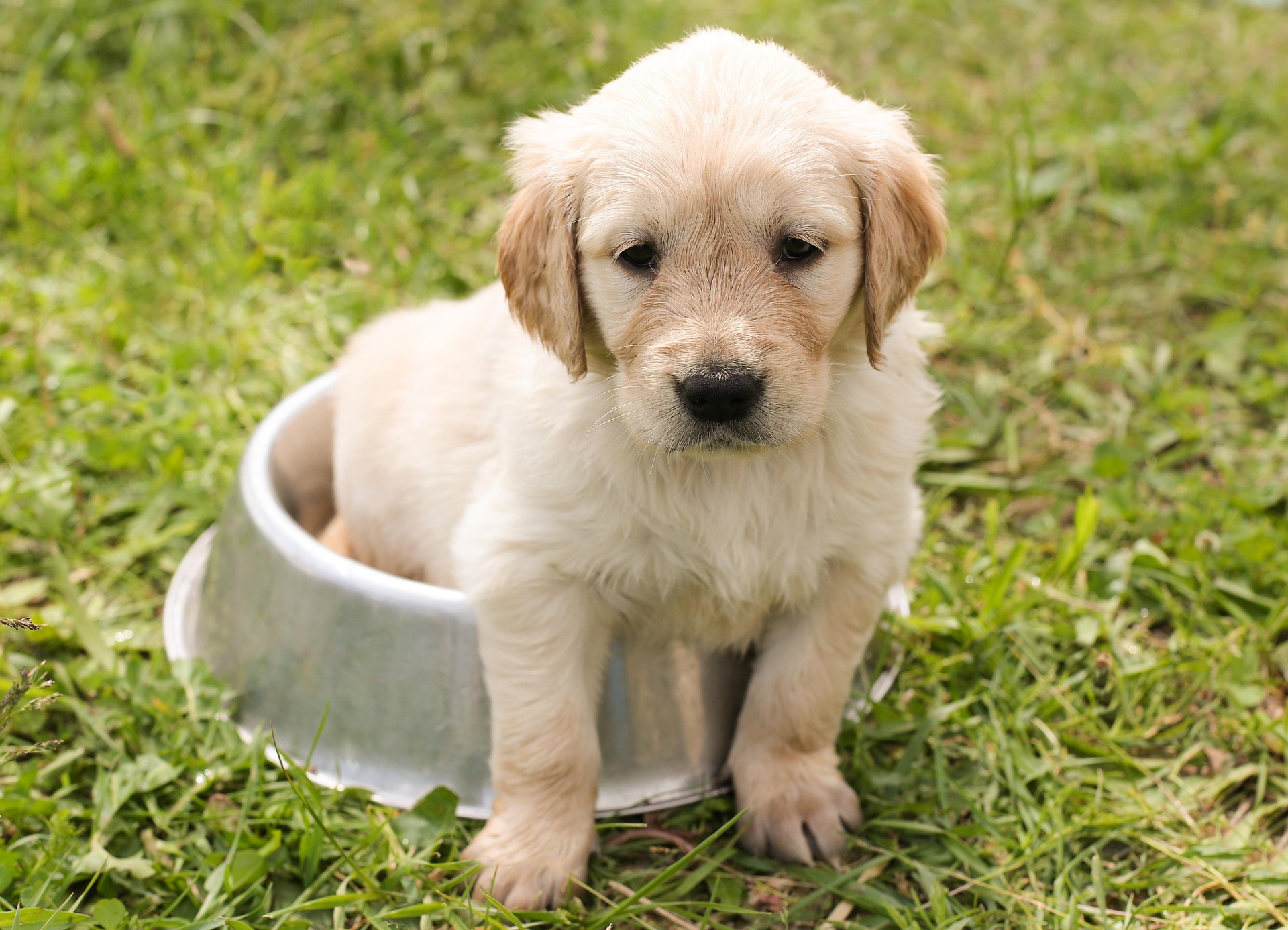
Bringing home a new puppy is one of life’s greatest joys. However, one of the first challenges every new dog owner faces is potty training. The good news is that with consistency, patience, and the right routine, most puppies can learn where to go within a few weeks.
This guide explains how to potty train a puppy using proven, positive methods that help build good habits while strengthening the bond between you and your new companion.
When Should You Start Potty Training?
Most puppies can begin learning basic potty habits as soon as they come home, usually between 8 and 12 weeks of age. While young puppies have limited bladder control, they can still begin understanding a routine.
Older puppies and adopted dogs can also be successfully house trained, although it may take a little longer if they have already developed unwanted habits.
Create a Consistent Schedule
Dogs thrive on routine. Taking your puppy outside at the same times every day helps them understand what is expected.
Take your puppy outside:
- Immediately after waking up
- After every meal
- After drinking large amounts of water
- After playtime
- After naps
- Before bedtime
Young puppies generally need to go outside every one to two hours during the day.
Choose One Potty Location
Always bring your puppy to the same outdoor spot. Familiar smells encourage them to use that area again.
Avoid distracting your puppy with play until they have finished going to the bathroom. Once they successfully potty outside, reward them immediately.
Reward Good Behavior
Positive reinforcement is one of the most effective training methods.
When your puppy finishes going outside:
- Praise enthusiastically
- Give a small training treat
- Offer affection
- Allow a short play session afterward
The reward should happen within a few seconds so your puppy connects it with the correct behavior.
Learn Your Puppy’s Signals
Many puppies show signs before needing to go outside.
Common signs include:
- Sniffing the floor
- Walking in circles
- Whining
- Suddenly stopping play
- Walking toward the door
- Restlessness
Learning these signals helps prevent accidents before they happen.
What to Do If an Accident Happens
Accidents are a normal part of puppy training.
Never yell at or punish your puppy after an accident. Dogs do not understand punishment after the fact, and it can make training more difficult.
Instead:
- Calmly clean the area.
- Use an enzymatic cleaner to remove odors.
- Continue following your schedule.
Consistency is much more effective than punishment.
Should You Use Puppy Pads?
Puppy pads can be useful in certain situations, such as:
- Apartment living
- Extreme weather
- Very young puppies
- Owners who work long hours
However, if your goal is outdoor potty training, try to transition away from pads as early as possible to avoid confusion.
Crate Training Can Speed Up Potty Training
Dogs naturally avoid soiling the area where they sleep.
A properly sized crate can help encourage bladder control while keeping your puppy safe when you cannot supervise them.
The crate should be large enough for your puppy to stand, turn around, and lie comfortably, but not so large that one corner becomes a bathroom.
How Long Does Potty Training Take?
Every puppy learns at a different pace.
Many puppies begin understanding the routine within two to four weeks.
Complete reliability often develops between four and six months of age, although some breeds may require additional time.
Patience and consistency are the keys to success.
Common Potty Training Mistakes
Avoid these common mistakes:
- Waiting too long between bathroom breaks
- Inconsistent schedules
- Punishing accidents
- Not rewarding successful potty trips
- Giving too much freedom too soon
- Cleaning accidents with products that leave lingering odors
Correcting these mistakes often leads to much faster progress.
Frequently Asked Questions
How often should an 8-week-old puppy go outside?
Usually every one to two hours, plus after meals, naps, playtime, and waking up.
Is it normal for puppies to have accidents?
Yes. Accidents are completely normal while puppies are learning bladder control.
Should I wake my puppy during the night?
Very young puppies may need one nighttime potty break. As they mature, they can usually sleep through the night.
Can older dogs still be potty trained?
Absolutely. Adult dogs can learn excellent bathroom habits with patience and a consistent routine.
Final Thoughts
Potty training is one of the first important lessons your puppy will learn. By following a regular schedule, rewarding good behavior, and remaining patient during accidents, you can help your puppy become a well-trained and confident companion.
Remember that every dog learns at its own pace. Consistency, kindness, and positive reinforcement will almost always produce the best long-term results.
Disclaimer
The information provided in this article is for general educational and informational purposes only and should not be considered veterinary or professional behavioral advice. Every puppy is unique, and training results may vary depending on age, breed, health, temperament, and individual circumstances. If your puppy is experiencing persistent house-training difficulties, sudden changes in bathroom habits, or signs of illness, consult a licensed veterinarian or a qualified professional dog trainer.