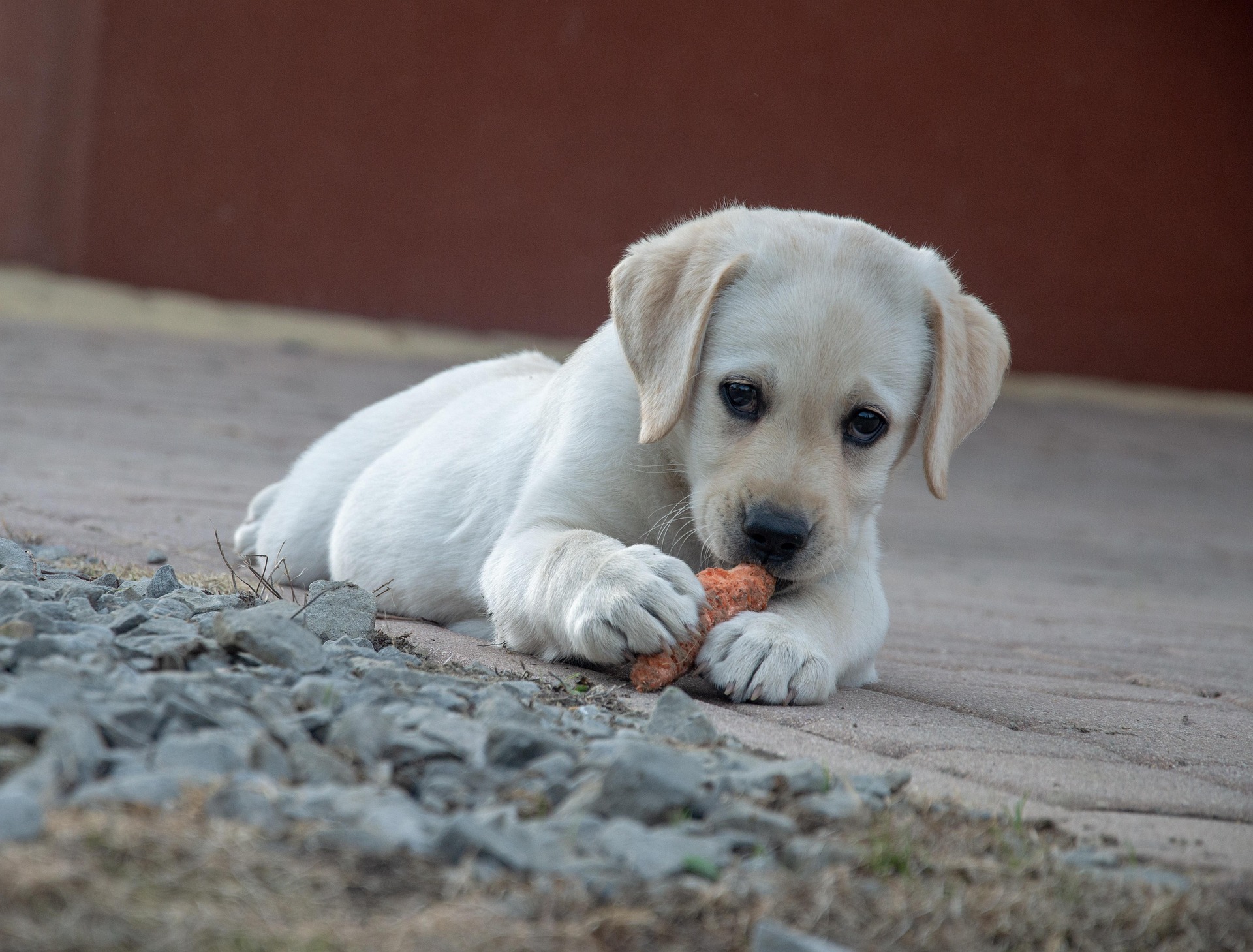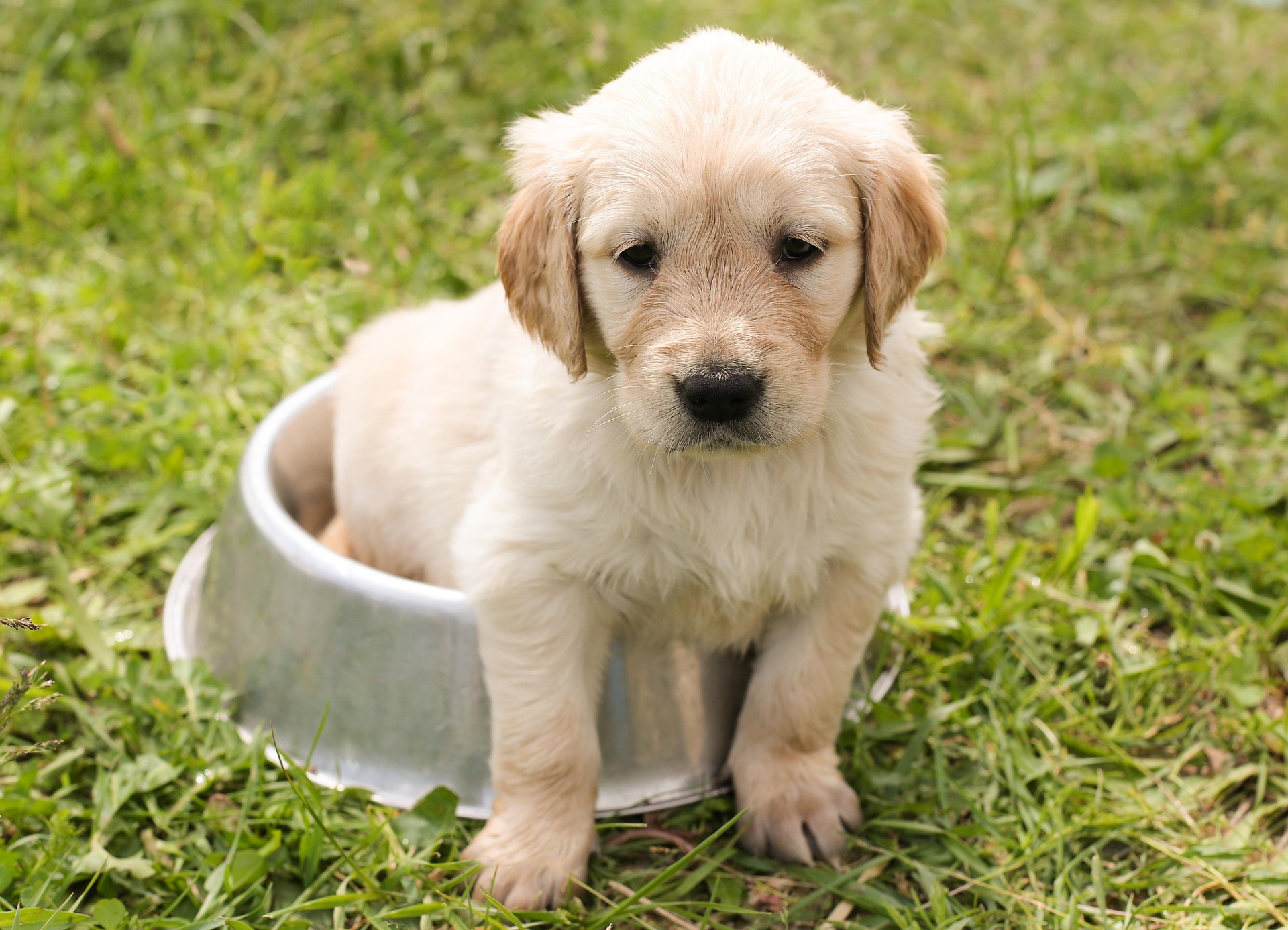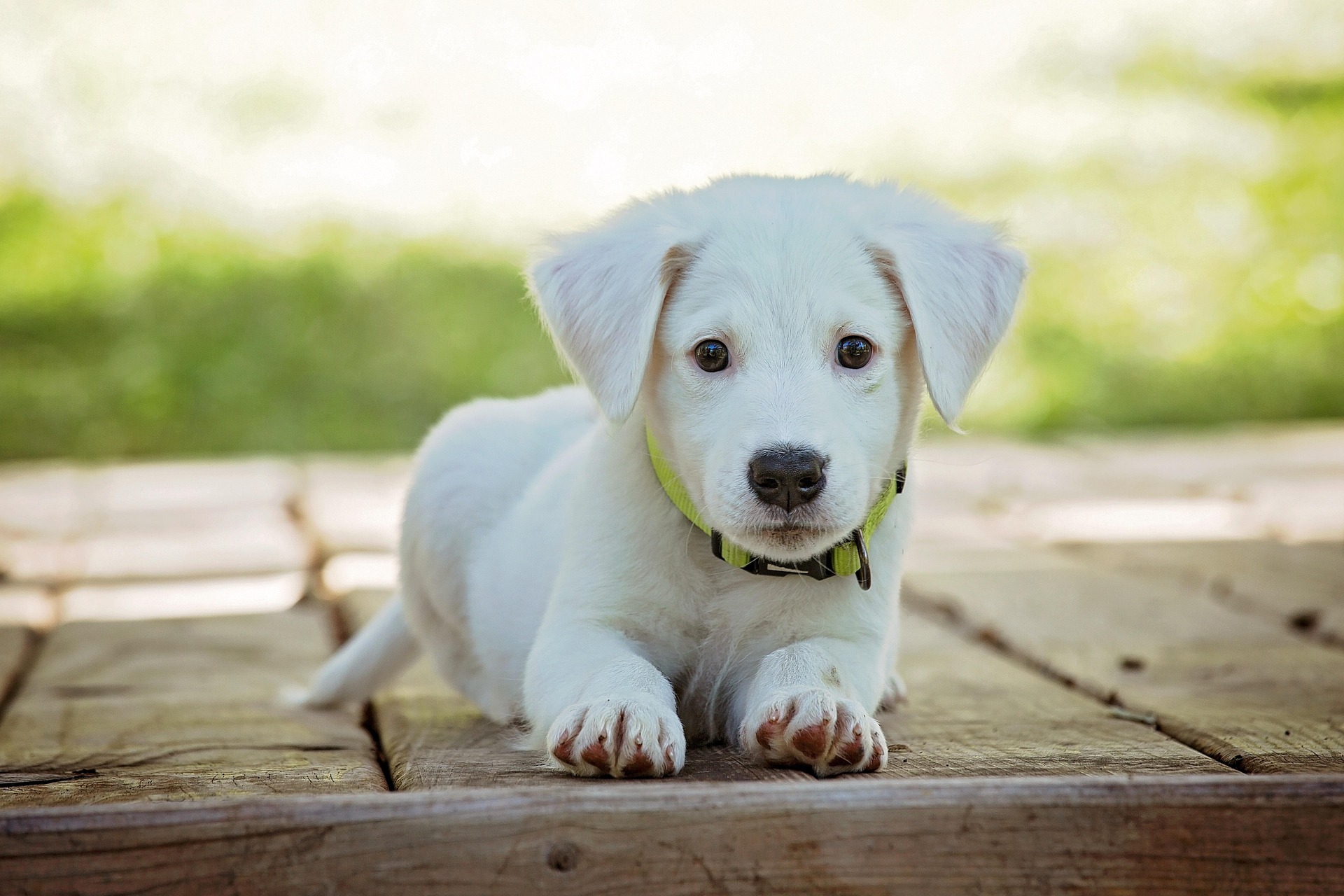
Have you ever looked down at your young puppy after they woke up from a nap, only to notice that the white parts of their eyes have turned a bright, angry bloodshot red? The surrounding pink tissue might look heavily swollen, or you might see a sticky clear or yellowish discharge pooling in the corners of their eyelids. This sudden ocular breakout is a routine crisis that almost every new puppy parent faces, yet it hides a critical biological message. Your puppy isn’t developing bloodshot eyes due to a moody phase or a lack of sleep; their developing immune system is actively struggling to process an environmental allergen, clear out a localized bacterial invasion, or handle an irritating physical scratch on their clear corneal surface. This alarming scenario triggers immense panic among owners and drives millions of organic Google searches from people looking to evaluate their puppy’s sudden eye changes.
Three Core Facts Every Owner Must Know
- The Environmental Conjunctivitis Trigger: Detailed scientific records published in veterinary ophthalmology journals confirm that a puppy’s eyes are highly vulnerable to allergic conjunctivitis because their immune systems are hypersensitive. When a puppy sniffs closely along dust-filled carpets, low brush, or outdoor yards, their open eyes make direct contact with microscopic irritants like tree pollen, mold spores, and household dust mites, forcing their local blood vessels to instantly engorge and swell to battle the irritant.
- The Dangerous Corneal Scratch: Puppies are notoriously uncoordinated during play and explore their surroundings head-first through low foliage and weeds. If a sharp blade of grass, a stiff plant root, or a sharp claw from a littermate physically scrapes across the clear window of their eye, it creates a painful micro-tear known as a corneal ulcer. The eye immediately floods the area with blood vessels to try and heal the structural tear, turning the eyeball bright red within hours of the initial impact.
- The Puppy Pinkeye Invasion: Young puppies possess an immature surface defense system that easily allows standard environmental bacteria to multiply out of control inside the warm, moist pockets of their eyelids. This condition, known clinically as bacterial conjunctivitis or puppy pinkeye, creates a distinct, angry red inflammation characterized by thick, sticky, yellowish-green mucus that glues their eyelids completely shut when they sleep.
Fascinating Biological Discoveries and Internal Secrets
Beyond the basic eye irritation mechanics, researchers tracking juvenile canine health have uncovered several vital truths about how a puppy’s visual system reacts to environmental stress. A puppy’s third eyelid, hidden in the inner corner of their eye socket, houses a specialized tear-producing gland responsible for providing up to forty percent of their eye’s total protective moisture. Interestingly, scientists have discovered that in young, fast-growing dogs, the local connective tissue holding this gland in place can be genetically weak. This weakness can cause the fluid gland to pop completely out of its normal position, forming a smooth, bright red, round mass in the corner of the eye socket known universally as cherry eye. This protruding mass physically blocks normal tear distribution, leaving the cornea exposed to rapid drying and intense air friction. A puppy can experience significant full-body changes during a heavy red eye cycle, including sudden physical restlessness, a total refusal to play or go outside because bright sunlight hurts their inflamed eyes, and an obsessive need to rub their face against household couches or your clothes to try and physically scratch the uncomfortable burning away.
What Should You Do?
The best thing you can do as an owner is inspect the physical layout of the red eye calmly under a bright light without applying random human medication drops or rubbing their eyelids forcefully. Note carefully whether the bright red color is affecting just one single eye or both eyes simultaneously, as a single-sided redness usually points to a physical scratch or trapped dirt particle, while a double-sided breakout points to an environmental allergy or airborne virus. Take a soft, clean washcloth soaked in cool water and gently wipe away any dried crusts or wet mucus from their closed eyelids to keep the surrounding skin from becoming raw and hairless. Keep your puppy completely isolated from any foreign dogs or neighborhood parks until their symptoms clear entirely, as bacterial pinkeye spreads rapidly through shared toys and sleeping blankets. Never use human over-the-counter redness relief eye drops or steroid lotions on a puppy’s eye, because these human formulations contain powerful blood-vessel constrictors that can trigger permanent internal eye damage, rapid glaucoma spikes, or complete corneal blindness within hours.
The Quick Assessment Blueprint
- Normal Allergy Redness: A mild, pinkish tint across the white parts of both eyes after a walk in the woods or grass, where the eyes look slightly watery but do not cause intense pawing, and the redness fades away naturally within twenty-four hours of a clean environment rest. The puppy remains high-energy, playful, and hungry.
- Localized Mucus Outbreak: A distinct red inflammation of the eyelids accompanied by a steady flow of sticky yellow or green discharge that crusts over when they sleep. This is a primary indicator of puppy pinkeye or a minor dirt scratch that can be safely managed with targeted veterinary antimicrobial drops or specialized eye flushes.
- Emergency Ocular Warning: A deep, dark purplish-red eye where the puppy keeps their eyelids squeezed tightly shut, winces in severe pain when their head is approached, or displays a cloudy blue film covering their pupil. If the red eye is accompanied by intense pawing that draws blood, severe facial swelling, or extreme physical lethargy, your puppy has suffered a deep corneal ulcer puncture or acute glaucoma and requires an immediate emergency veterinary visit.
When a puppy develops red eyes, it is typically caused by direct contact with outdoor grass allergens, a localized bacterial infection known as puppy pinkeye, or a physical scratch on the clear cornea. While mild pinkness from outdoor dust is safe and easily fixed with a cool water compress, thick yellow mucus or a cloudy blue pupil indicates an active diagnostic or structural complication that requires careful boundaries to prevent permanent visual damage. Owners should wipe away crusts gently and monitor their puppy’s reaction to bright room lights. Any persistent closed-eye squinting paired with deep pain or bleeding requires an immediate diagnostic assessment from a qualified veterinarian.
© 2026 bffpuppy. All Rights Reserved.
Disclaimer: The information on bffpuppy is for educational and entertainment purposes only. We are not veterinarians, veterinary ophthalmologists, or licensed pet medical professionals. The content on this site is not a substitute for professional veterinary advice, diagnosis, or immediate clinical treatment. A sudden, widespread escalation in your puppy’s eye redness, corneal clouding, or discharge accompanied by severe facial swelling, structural changes to the globe, or extreme physical weakness requires an immediate professional medical or veterinary assessment. bffpuppy will not be held responsible or liable for any illnesses, setbacks, or actions taken based on the information provided in our articles. Always consult a qualified veterinarian regarding the specific physical health, optical safety, or medical needs of your canine companion.