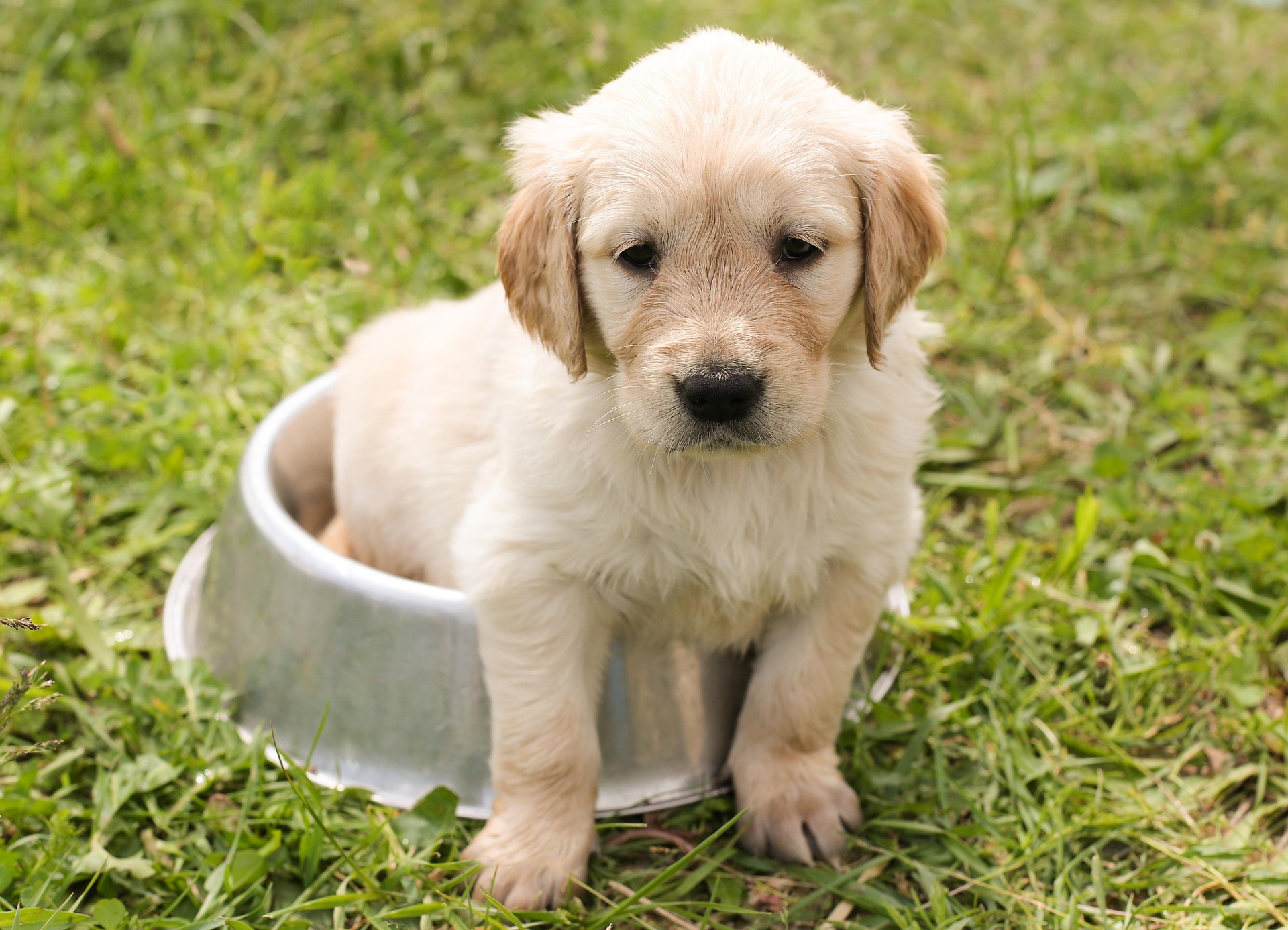
Discovering a foul, pungent, or metallic odor coming directly from your young companion’s mouth during a close-range cuddle can be a deeply shocking experience. New owners frequently expect a sweet, clean puppy breath, so encountering a strong smell that resembles rotting fish, garbage, or copper causes instant worry. This sudden offensive mouth odor is a routine dilemma that almost every puppy parent faces, yet it hides a critical biological message. Your puppy isn’t producing foul breath due to a temporary phase or an occasional dirty chew toy; their delicate oral environment is actively struggling with a heavy buildup of harmful mouth bacteria, an entrapped foreign object, or an active physical shedding of their primary milk teeth. This embarrassing scenario triggers immense panic among owners and drives millions of organic Google searches from people looking to evaluate their puppy’s sudden oral health changes.
Three Core Facts Every Owner Must Know
- The Teething Blood Reaction: Detailed scientific logs published in veterinary dental journals confirm that the rapid process of shedding twenty-eight temporary baby teeth to make room for forty-two permanent adult teeth is the primary cause of puppy bad breath. As adult molars push upward through the soft tissue, they create raw, bleeding gaps along the gums. This constant micro-bleeding leaks blood plasma into the mouth, which mixes with natural saliva and oral bacteria to create a highly distinct, iron-like, or rotting metallic odor.
- The Trapped Stick and Bone Hazard: Because puppies use their mouths to gather data and explore their surroundings, they frequently chew on loose backyard debris like wood sticks, mulch, fabric threads, and dry animal bones. Small, sharp splinters from these items can easily pierce the soft roof of their mouth or become wedged tightly across the hard palate between their upper teeth. Once trapped, the foreign body cuts off local blood circulation, causing the surrounding gum tissue to rot and decay rapidly, which releases a putrid, advanced foul smell into their breath.
- The Juvenile Periodontal Build: Many pet parents mistakenly believe that plaque and tartar accumulation only happen to old senior dogs. However, if a puppy possesses misaligned teeth, crowded jaws, or if they eat a diet consisting solely of soft, sticky canned wet food without any oral hygiene maintenance, a film of oral bacteria known as biofilm will coat their enamel within hours of eating. This biofilm hardens into a thick, calcified layer of brown tartar that inflames the gum line, creating a breeding ground for anaerobic bacteria that emit sulfur gas whenever the puppy opens their mouth.
Fascinating Biological Discoveries and Internal Secrets
Beyond the basic oral hygiene mechanics, researchers tracking juvenile canine health have uncovered several vital truths about how a puppy’s breath serves as a direct mirror to their internal organ health. A puppy’s stomach, liver, and kidneys are closely linked to their respiratory and oral pathways. Interestingly, scientists have discovered that a puppy’s breath can take on highly distinct, specific chemical properties that point directly to advanced systemic diseases rather than plain mouth bacteria. For example, if a puppy has a hidden, congenital kidney defect, their urinary system cannot properly filter out metabolic waste products like urea, forcing the body to excrete those toxins through their lungs and saliva, which gives their breath a strong, distinct smell of ammonia or urine. A puppy can also experience significant structural changes during a heavy halitosis cycle, including a sudden refusal to pick up hard rubber toys because their inflamed gums are too sore, heavy drooling that stains their chin fur, and an obsessive need to rub the side of their muzzle against carpets to try and physically dislodge an uncomfortable trapped object or loose tooth.
What Should You Do?
The best thing you can do as an owner is conduct a thorough, careful visual inspection of their entire mouth under a bright light without forcing their jaws open violently or causing additional pain. Gently pull back their lips to check the color of their gums, look closely at the very back molars for brown tartar buildup, and check the roof of their mouth for any trapped sticks or splinters. Introduce a daily oral care routine early by using a soft finger brush and a specialized, enzyme-based pet toothpaste to physically scrub away active plaque biofilm before it can calcify into permanent tartar. Provide soft, flexible rubber teething toys that have been chilled in the freezer to numb their throbbing gums and naturally scrape away food particles while they chew. Never use human toothpaste or mouthwashes to clean a puppy’s mouth, because human dental products contain high concentrations of foaming agents and artificial sweeteners like xylitol, which trigger acute liver failure, life-threatening drops in blood sugar, or fatal internal seizures within minutes of ingestion.
The Quick Assessment Blueprint
- Normal Teething Breath: A mild, metallic, or copper-like odor that occurs intermittently between three and six months of age while the puppy is losing baby teeth, where the gums show normal minor pink swelling but no bleeding pus. The puppy remains energetic, playful, and hungry.
- Localized Plaque and Tartar Smell: A constant, stale odor that smells like old dog food, accompanied by a visible yellow or light brown film coating the back teeth along the gum line. This is a primary indicator of early juvenile periodontal disease or mild dietary accumulation that can be safely reversed using routine pet tooth brushing and dental chews.
- Emergency Medical Oral Warning: A sudden, overwhelming smell of rotting garbage, urine, or sweet acetone that makes the entire room smell, paired with a complete refusal to eat, continuous drooling, blood dripping from the mouth, or a swollen face. If the puppy cries out when their muzzle is touched or looks completely weak and lethargic, they are experiencing a severe deep tissue abscess, systemic kidney failure, or a dangerous internal mouth puncture and require an immediate emergency veterinary visit.
When a puppy develops bad breath, it is typically caused by the natural metallic bleeding of the teething phase, foreign debris like sticks trapped in the roof of the mouth, or early-stage juvenile plaque accumulation along the enamel. While mild copper breath from a shedding baby tooth is completely safe and normal, a strong smell of rotting trash or urine indicates a dangerous internal tissue decay or systemic organ complication like kidney issues. Owners should gently inspect the teeth weekly for tartar or splinters and use pet-safe enzyme toothpaste. Any sudden, severe odor paired with a total refusal to eat or a bleeding mouth requires an immediate diagnostic assessment from a qualified veterinarian.
© 2026 bffpuppy. All Rights Reserved.
Disclaimer: The information on bffpuppy is for educational and entertainment purposes only. We are not veterinarians, veterinary dental surgeons, or licensed pet medical professionals. The content on this site is not a substitute for professional veterinary advice, diagnosis, or immediate clinical treatment. An overwhelming, foul change in your puppy’s breath, severe oral bleeding, or bad breath accompanied by facial swelling, chronic vomiting, or extreme physical weakness requires an immediate professional medical or veterinary assessment. bffpuppy will not be held responsible or liable for any illnesses, setbacks, or actions taken based on the information provided in our articles. Always consult a qualified veterinarian regarding the specific physical health, oral hygiene, or medical needs of your canine companion.