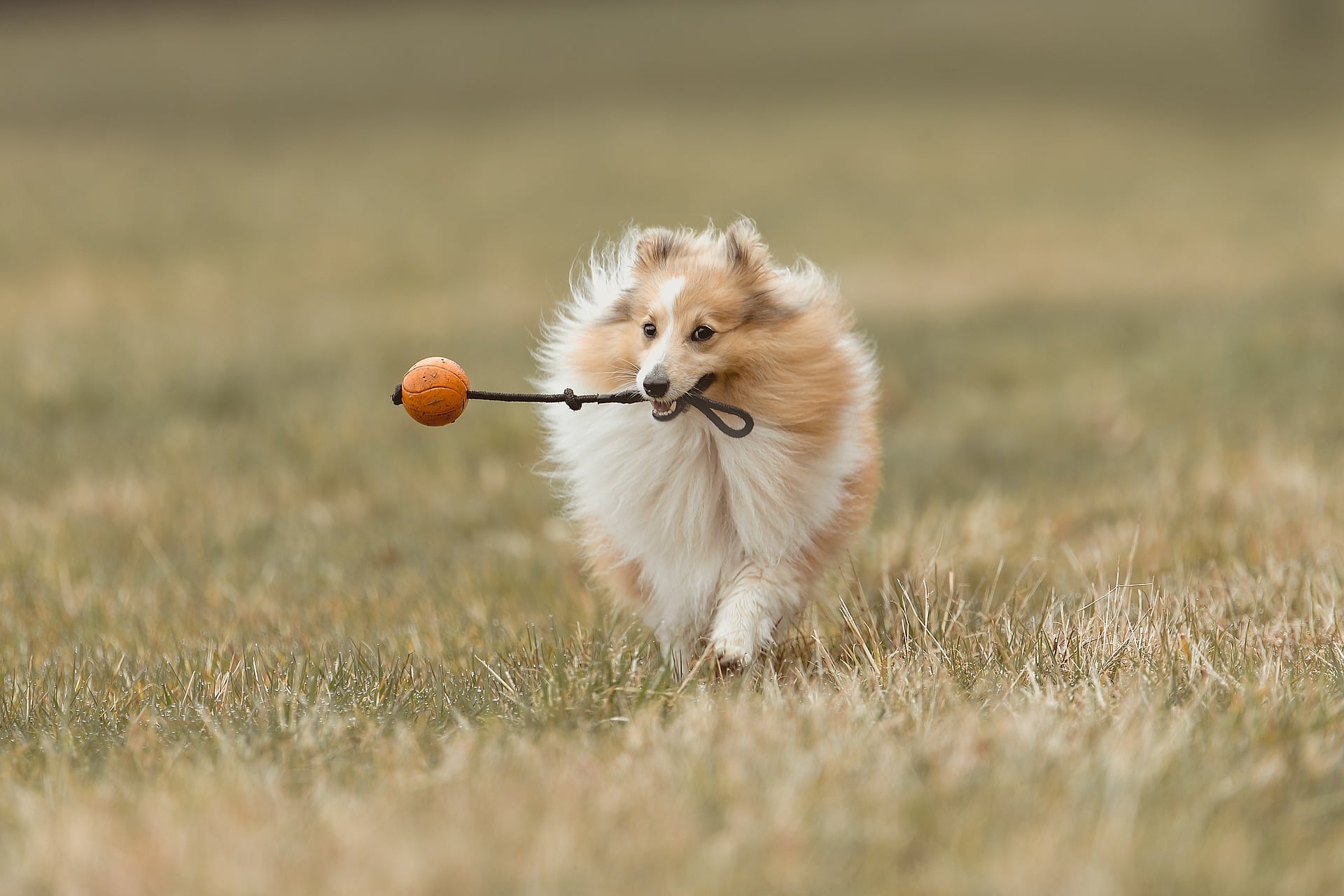
Have you ever given your dog a soft plush toy or a squeaky rope, only to watch them grab it in their jaws and violently thrash their head side to side? This high-energy behavior is a routine spectacle that every pet parent watches, yet it hides a dark evolutionary secret. Your dog isn’t just playing a silly game or trying to pull the stuffing out; they are actually executing an ancient predatory sequence designed to capture food in the wild. This viral animal behavior triggers immense curiosity among owners and drives millions of organic Google searches from people trying to understand their pet’s predatory habits.
Three Core Facts Every Owner Must Know
- The Prey Shatter Motion: Detailed scientific studies published in veterinary behavior journals confirm that the rapid, violent thrashing motion is known as the prey-shaking reflex. In the wild, canines use this exact mechanism to instantly break the neck or spinal cord of small prey animals like rabbits and rodents, ensuring a quick capture.
- The Squeaker Mimicry: The high-pitched, repetitive squeaking sound produced by modern dog toys directly mimics the distress cries of a captured or injured animal. When your dog bites down and hears that specific audio frequency, it floods their brain with dopamine, artificially triggering their predatory drive to keep biting and thrashing.
- Releasing Instinctual Stress: Shaking an object serves as a powerful physical and mental outlet that burns off an immense amount of pent-up energy. The physical exertion releases a wave of positive endorphins inside a dog’s central nervous system, helping them lower their baseline anxiety and express their natural environmental dominance safely inside your living room.
Fascinating Behavioral Discoveries and Scent Secrets
Beyond the basic hunting mechanics, researchers tracking domestic canine habits have uncovered several fascinating truths about why dogs focus so heavily on destroying specific items. Canines possess specialized scent glands inside their lips and jaws that deposit chemical markers whenever they bite an object. By shaking, biting, and drooling all over a plush toy, your dog is physically stamping their unique biochemical signature into the fabric, officially claiming the item as part of their personal territory. Interestingly, scientists have also discovered that dogs experience a significant evolutionary frustration whenever a toy refuses to “die.” In the wild, a captured animal eventually stops moving and squeaking, which satisfies the dog’s hunting sequence. When a plastic squeaker continues to produce noise no matter how hard the dog thrashes it, it can trigger an obsessive-compulsive loop where the dog will work frantically for hours to surgically rip the toy apart just to silence the sound and complete their internal biological cycle.
What Should You Do?
The best thing you can do as an owner is provide safe, durable outlets for this behavior while monitoring the integrity of the toy. Never pull or yank a toy directly out of a dog’s mouth while they are actively in the middle of a violent thrash, as the sudden opposing force can cause severe dental trauma, cracked teeth, or a painful neck strain. Let them finish their natural shaking ritual completely, and practice a strong “drop it” command using high-value treats to swap the item safely when they are calm. Always inspect plush toys daily and discard them immediately if the internal stuffing or plastic squeaker components become exposed.
The Quick Assessment Blueprint
- Normal Behavior: Grabbing a toy during playtime, shaking it vigorously for a few minutes, and then carrying it around or lying down to chew it calmly. The dog remains happy, relaxed, and easily drops the item when called.
- Anxious Behavior: Frantically grabbing household objects like shoes, pillows, or blankets and shaking them aggressively while pacing the room. This is a primary indicator of chronic boredom, a lack of daily exercise, or severe separation anxiety.
- Aggression Warning: Growling deeply with a stiff body, flattening their ears back against their head, and guarding the toy aggressively while shaking it. If the dog lunges or snaps when you approach their space, they are displaying resource guarding that requires professional training modification.
When dogs shake their toys violently from side to side, they are executing a hardwired ancestral instinct designed to quickly disable prey in the wild. Modern squeaky toys accelerate this behavior because the high-pitched sound closely mimics the distress cries of a small animal, triggering a heavy dopamine release in the canine brain. Owners should allow this harmless play ritual but monitor the toys closely for structural damage to prevent the accidental ingestion of plastic squeakers or loose stuffing. If the shaking is accompanied by rigid body guarding or aggressive lunging, it indicates a behavioral resource guarding issue rather than a standard playful hunting reflex.
© 2026 Bffpuppy. All Rights Reserved.
Disclaimer: The information on bffpuppy is for educational and entertainment purposes only. We are not veterinarians, animal behaviorists, or licensed medical professionals. The content on this site is not a substitute for professional veterinary advice, diagnosis, or treatment. A sudden, compulsive shift in your dog’s daily play habits, destructive chewing of non-toy objects due to extreme stress, or physical jaw locking accompanied by signs of severe dental pain requires an immediate veterinary assessment. bffpuppy will not be held responsible or liable for any injuries, accidental foreign object ingestion, or actions taken based on the information provided in our articles. Always consult a qualified veterinarian regarding the specific physical health, dental status, or behavioral needs of your canine companion.