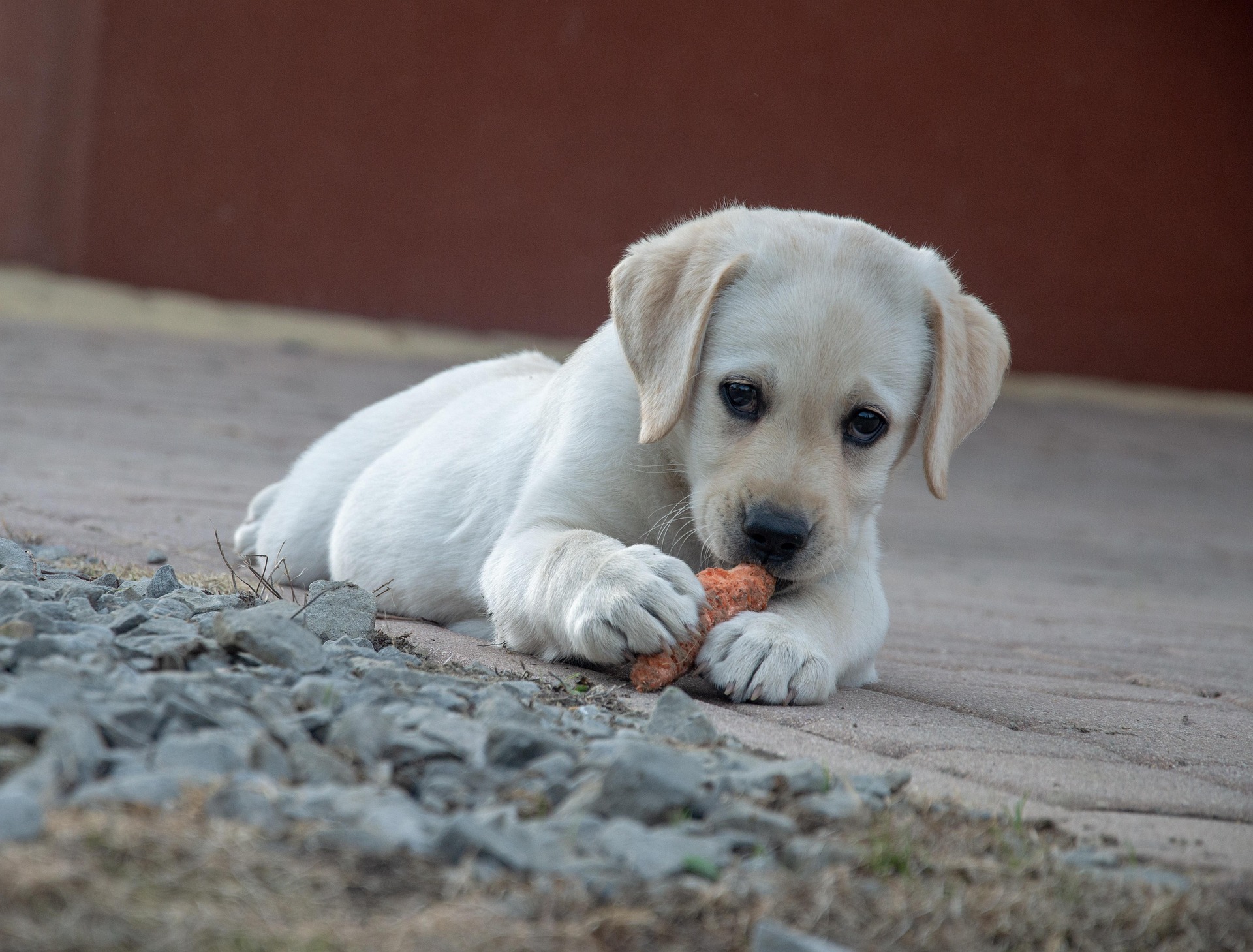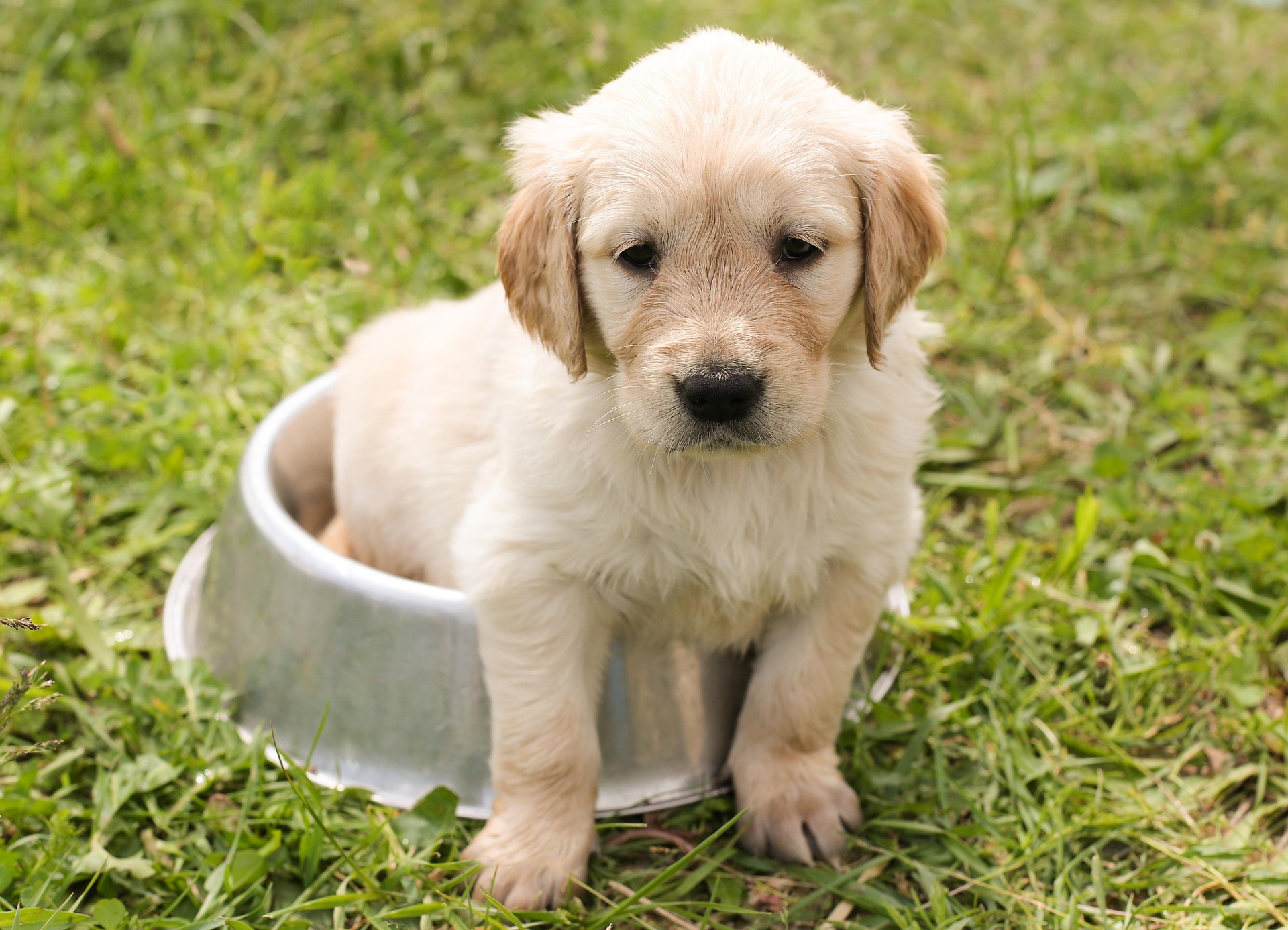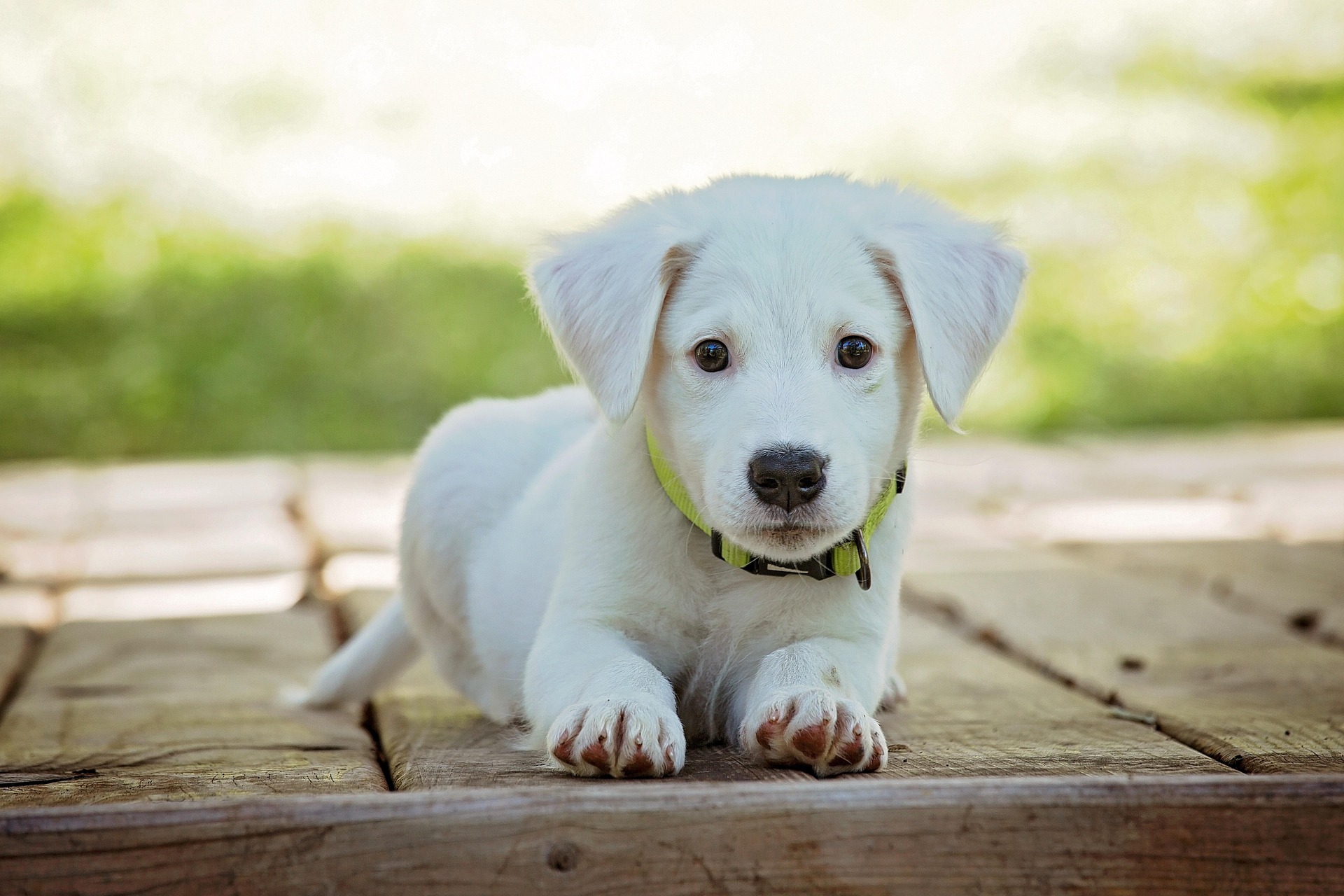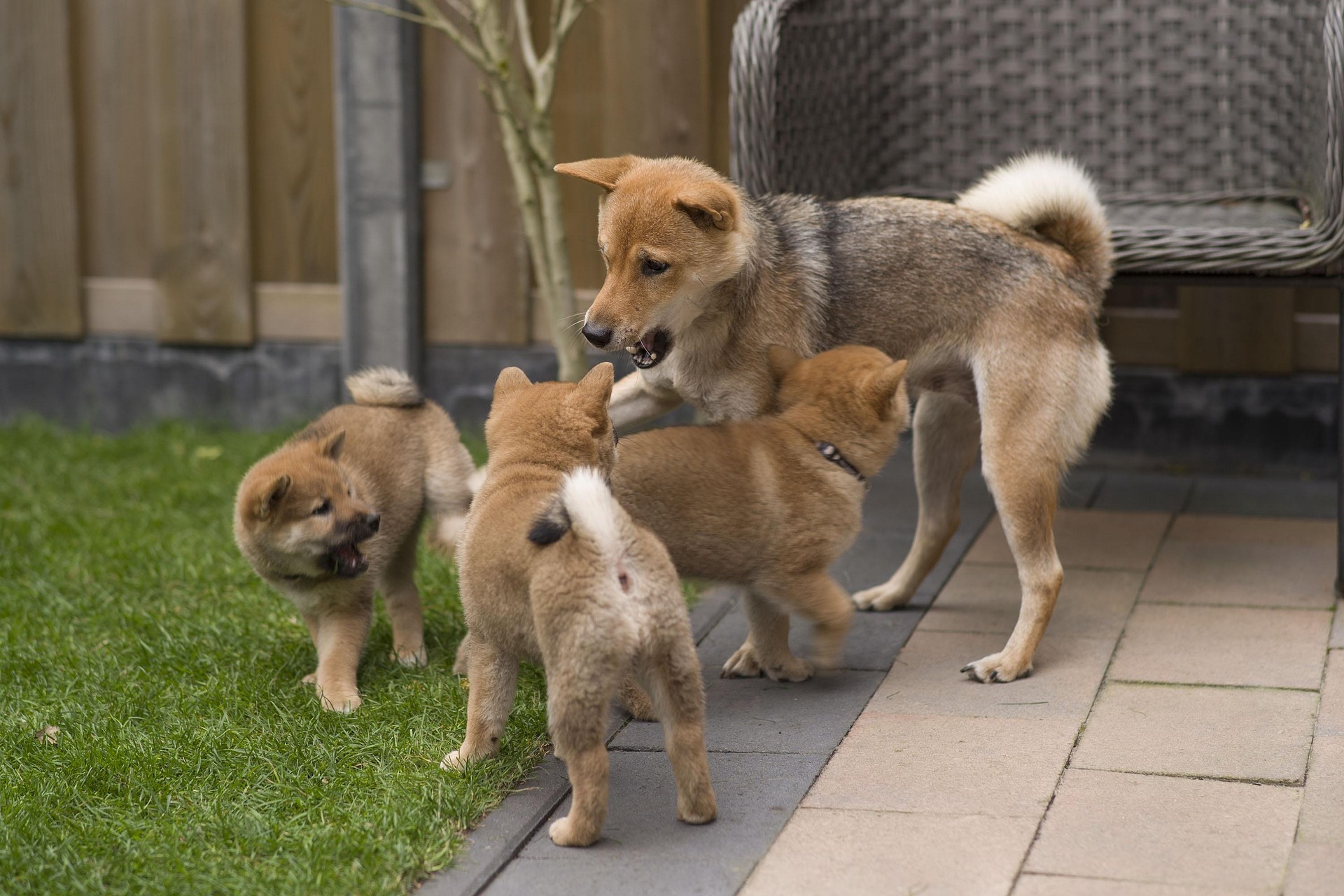
If you’ve recently welcomed a new puppy into your home, you’ve probably discovered that those tiny teeth can be surprisingly sharp. Puppy biting is one of the most common concerns among new dog owners, but the good news is that it’s a completely normal part of development.
With the right training techniques and a little patience, you can teach your puppy what is appropriate to chew and how to interact gently with people.
Why Do Puppies Bite?
Puppies explore the world with their mouths. Biting, chewing, and nipping are natural behaviors that help them:
- Learn about their environment
- Play with littermates
- Relieve discomfort from teething
- Burn off excess energy
- Practice social skills
Most puppies naturally bite less as they mature, especially when owners consistently reinforce good behavior.
At What Age Do Puppies Stop Biting?
Most puppies begin teething around 3 to 4 months of age. Adult teeth usually finish coming in between 6 and 7 months.
While teething plays a major role, proper training is just as important. Without guidance, some puppies may continue rough play well beyond puppyhood.
1. Stay Calm When Your Puppy Bites
Avoid yelling or hitting your puppy.
Instead, calmly stop interacting for a few seconds. Puppies quickly learn that biting makes playtime end.
Consistency is far more effective than punishment.
2. Redirect to an Appropriate Toy
Always keep chew toys nearby.
When your puppy starts biting your hands, clothes, or shoes, immediately offer an appropriate toy instead.
This teaches your puppy what is acceptable to chew.
Some excellent options include:
- Rubber chew toys
- Rope toys
- Puppy-safe teething toys
- Durable chew bones recommended by your veterinarian
3. Reward Gentle Behavior
Positive reinforcement helps puppies learn faster.
Whenever your puppy plays without biting:
- Praise calmly
- Offer treats
- Continue the game
Your puppy will begin associating gentle behavior with positive outcomes.
4. Give Your Puppy Enough Exercise
Many puppies bite simply because they have too much energy.
Daily activities help reduce unwanted behaviors:
- Walks (appropriate for age)
- Fetch
- Puzzle toys
- Training sessions
- Interactive games
A tired puppy is often a much calmer puppy.
5. Teach Basic Commands
Simple commands help redirect your puppy before biting starts.
Practice:
- Sit
- Stay
- Leave it
- Drop it
- Come
Short training sessions of 5 to 10 minutes work best for young puppies.
6. Avoid Encouraging Rough Play
Games that involve wrestling with your hands or allowing your puppy to bite during play can create confusion.
Instead, use toys during interactive games so your puppy learns that hands are never chew toys.
7. Socialize Your Puppy
Proper socialization helps puppies develop bite inhibition.
Meeting friendly dogs, responsible people, and experiencing new environments teaches puppies how to interact appropriately.
Always ensure socialization is safe and age-appropriate.
8. Recognize Teething Discomfort
Teething puppies often chew more than usual.
Providing safe chew toys can help relieve discomfort while protecting your furniture and belongings.
Some owners freeze rubber toys for extra soothing relief.
9. Stay Consistent
Everyone in the household should follow the same rules.
If one person allows playful biting while another discourages it, your puppy will become confused and training will take longer.
Consistency is one of the biggest factors in successful puppy training.
10. Know When to Seek Professional Help
Occasional puppy biting is normal.
However, consult a veterinarian or certified professional dog trainer if your puppy:
- Shows aggressive behavior
- Growls while guarding toys or food
- Causes serious injuries
- Does not improve despite consistent training
Early intervention can prevent future behavioral problems.
Common Mistakes to Avoid
Many owners accidentally encourage biting without realizing it.
Avoid these common mistakes:
- Playing with your hands instead of toys
- Punishing your puppy physically
- Inconsistent training
- Ignoring good behavior
- Expecting immediate results
Training takes time, and every puppy learns at a different pace.
Frequently Asked Questions
Is puppy biting normal?
Yes. Nearly all puppies bite, chew, and nip while learning about the world and going through teething.
Should I let my puppy chew on my hands?
No. Even gentle nibbling can become a habit. It’s better to redirect your puppy to appropriate chew toys.
How long does puppy biting last?
Most puppies show significant improvement by 5 to 7 months of age with consistent training.
Do all puppies bite?
Almost all puppies mouth or nip to some degree. Some breeds may naturally be more mouthy than others.
Final Thoughts
Puppy biting can be frustrating, but it’s also a normal stage of development. By staying patient, redirecting your puppy to appropriate toys, rewarding gentle behavior, and maintaining consistent training, you’ll help your puppy grow into a well-mannered adult dog.
Remember that every puppy develops at its own pace. Positive reinforcement and daily practice will always produce better long-term results than punishment.
Disclaimer
The information provided in this article is intended for general educational and informational purposes only and should not replace professional veterinary or behavioral advice. Every puppy is unique, and training methods may need to be adjusted based on breed, age, health, temperament, and individual needs. If your puppy displays persistent aggressive behavior, excessive biting, or any signs of illness or injury, consult a licensed veterinarian or a qualified professional dog trainer for personalized guidance.