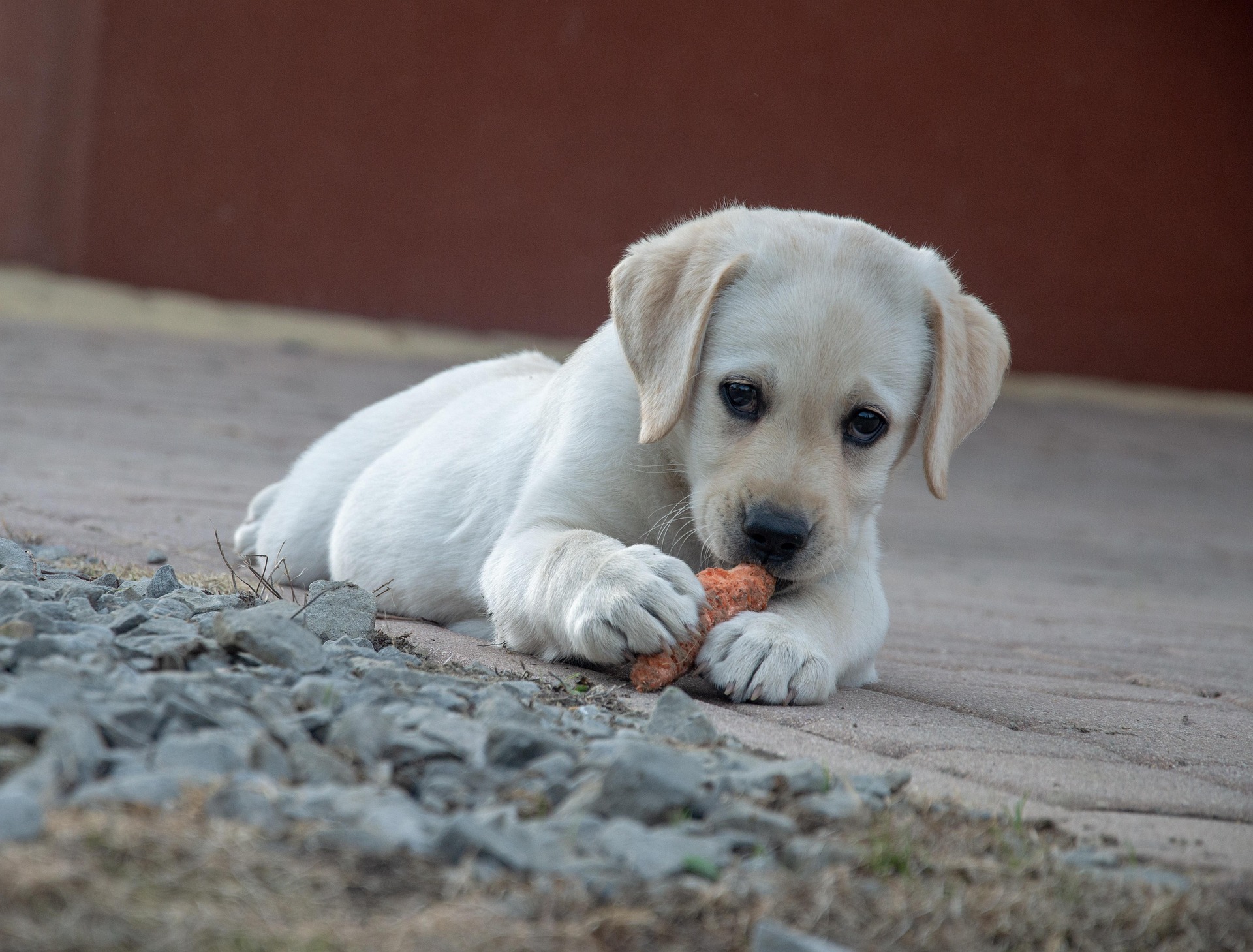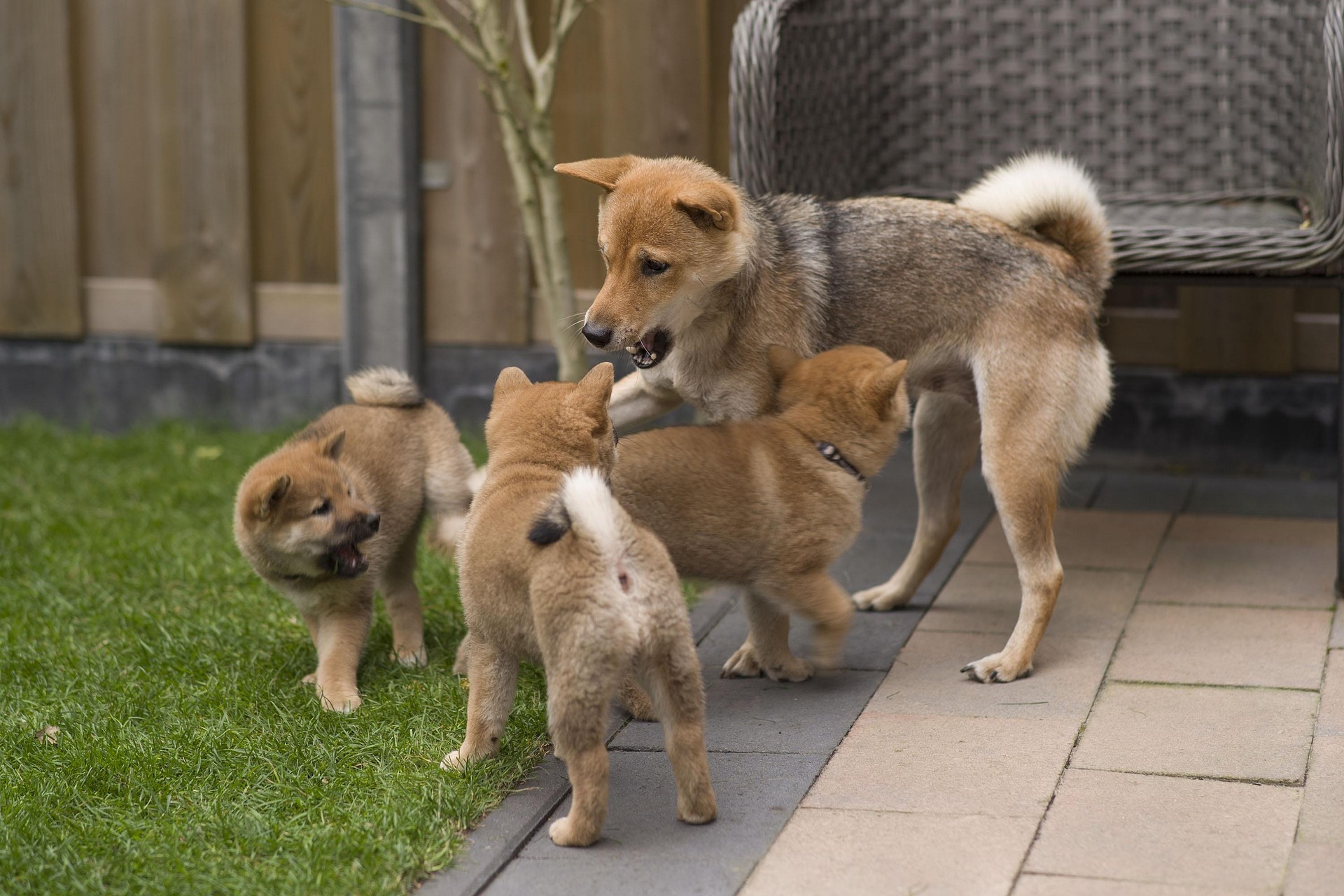
Have you ever been petting your young puppy, only to notice a sudden, completely bald patch of skin appearing on their muzzle, around their eyes, or on their front legs? The spot might look perfectly clean and smooth, or it might look red, scaly, and crusty. This sudden loss of fur is a routine crisis that almost every new puppy parent faces, yet it hides a critical biological message. Your puppy isn’t losing hair due to a moody phase or bad grooming; their developing immune system is actively struggling to fight off an microscopic mite overgrowth, a highly contagious fungal spore, or an environmental skin reaction. This alarming scenario triggers immense panic among owners and drives millions of organic Google searches from people looking to evaluate their puppy’s sudden skin changes.
Three Core Facts Every Owner Must Know
- The Demodex Mite Overgrowth: Detailed scientific records published in veterinary dermatology journals confirm that the number one cause of localized bald patches in puppies under one year old is demodectic mange. These microscopic mites live naturally and harmlessly inside the hair follicles of all healthy dogs, but because a young puppy’s immune system is still heavily underdeveloped, the mites can rapidly multiply out of control, choking out the hair roots and causing the fur to fall out in clean, circular patches.
- The Ringworm Fungal Threat: Despite its misleading name, ringworm is not a worm at all; it is a highly resilient, contagious fungal infection that feeds directly on the keratin found in a puppy’s fur and skin cells. When a puppy catches ringworm from soil or infected blankets, the fungus burrows into the hair shaft, causing the fur to break off perfectly uniform at the skin line and leaving behind a distinct, circular, crusty bald spot that can easily spread to human family members.
- The Friction and Collar Rub: Sometimes the cause of hair loss is purely mechanical rather than a medical disease. A puppy’s skin is incredibly thin, soft, and fragile compared to an adult dog’s tough hide. If their daily walking harness or training collar fits slightly too tightly, or if they obsessively scratch a specific spot due to a single flea bite, the constant physical friction will rapidly scrape away the fine puppy fluff, leaving a raw, hairless patch along their neck or chest line.
Fascinating Biological Discoveries and Internal Secrets
Beyond the basic skin irritation mechanics, researchers tracking juvenile canine health have uncovered several vital truths about how a puppy’s coat reacts to internal stress. A puppy’s hair growth operates on a strict cyclical timeline consisting of an active growing phase, a resting phase, and a shedding phase. Interestingly, scientists have discovered that a puppy’s hair follicles require a massive amount of baseline protein and caloric energy to keep the fur firmly rooted in place. If a puppy experiences a sudden, high-stress lifestyle change—such as being separated from their mother, moving into a new home, or recovering from a heavy bout of internal roundworms—their central nervous system will enter a temporary survival mode. This internal shock automatically forces all active hair follicles to prematurely shut down and enter the shedding phase simultaneously, a biological condition known as telogen effluvium. This causes large patches of fur to fall out easily within weeks of the stressful event, exposing the naked pink skin underneath while their internal organs work to restore systemic balance.
What Should You Do?
The best thing you can do as an owner is inspect the physical texture of the bald spot calmly under a bright light without applying random human skin creams or harsh chemical treatments. Check to see if the skin looks completely smooth and normal, or if it is covered in heavy black crusted flakes, active bleeding, or pimple-like bumps. Keep your puppy completely isolated from any other household pets or young children until a professional diagnosis is made, as fungal infections like ringworm spread rapidly through simple physical contact. Wash all of your puppy’s bedding, soft toys, and grooming brushes in hot water and a pet-safe disinfectant to kill off any lingering microscopic spores or mites. Never apply human over-the-counter anti-itch creams or steroid ointments to a puppy’s bald spot, as puppies will immediately lick the area, swallowing the toxic chemicals and triggering acute gastric ulcers or liver distress.
The Quick Assessment Blueprint
- Normal Friction Hair Loss: A small, thin patch of hair loss directly underneath their collar or harness line, where the skin looks completely healthy, pale pink, and doesn’t cause any active itching or scratching. The puppy remains high-energy and happy.
- Localized Mite or Fungal Patch: One or two clean, circular bald spots concentrated around their eyes, muzzle, or front paws that look slightly scaly or greyish but do not cause intense, non-stop scratching. This is a primary indicator of early demodectic mange or localized ringworm that can be safely treated with targeted veterinary ointments.
- Emergency Infectious Warning: Large, spreading patches of hair loss across their entire back and belly, where the skin is bright red, hot to the touch, oozing thick yellow pus, or emitting a foul, sweet odor. If the puppy is scratching frantically until they bleed or looks completely weak and lethargic, they have developed a severe secondary deep tissue bacterial infection or systemic mange crisis that requires an immediate emergency veterinary visit.
When a puppy experiences a patch of sudden hair loss, it is typically triggered by an immune system struggle against natural demodex mites, an active ringworm fungal infection, or physical friction from their collar. While minor hair thinning from gear rub is safe and easily fixed by removing the harness, circular bald patches or crusty skin lesions point to an active dermatological complication that requires isolation to prevent spreading. Owners should monitor the texture of the bare skin and avoid applying toxic human lotions. Any rapid, widespread fur loss paired with intense scratching or oozing pus requires an immediate diagnostic assessment and prescription treatment from a qualified veterinarian.
© 2026 bffpuppy. All Rights Reserved.
Disclaimer: The information on bffpuppy is for educational and entertainment purposes only. We are not veterinarians, veterinary dermatologists, or licensed pet medical professionals. The content on this site is not a substitute for professional veterinary advice, diagnosis, or immediate clinical treatment. A sudden, widespread escalation in your puppy’s hair loss, skin necrosis, or bald spots accompanied by extreme physical lethargy, high fever, or severe secondary infections requires an immediate professional medical or veterinary assessment. bffpuppy will not be held responsible or liable for any illnesses, setbacks, or actions taken based on the information provided in our articles. Always consult a qualified veterinarian regarding the specific physical health, dermatological safety, or medical needs of your canine companion.