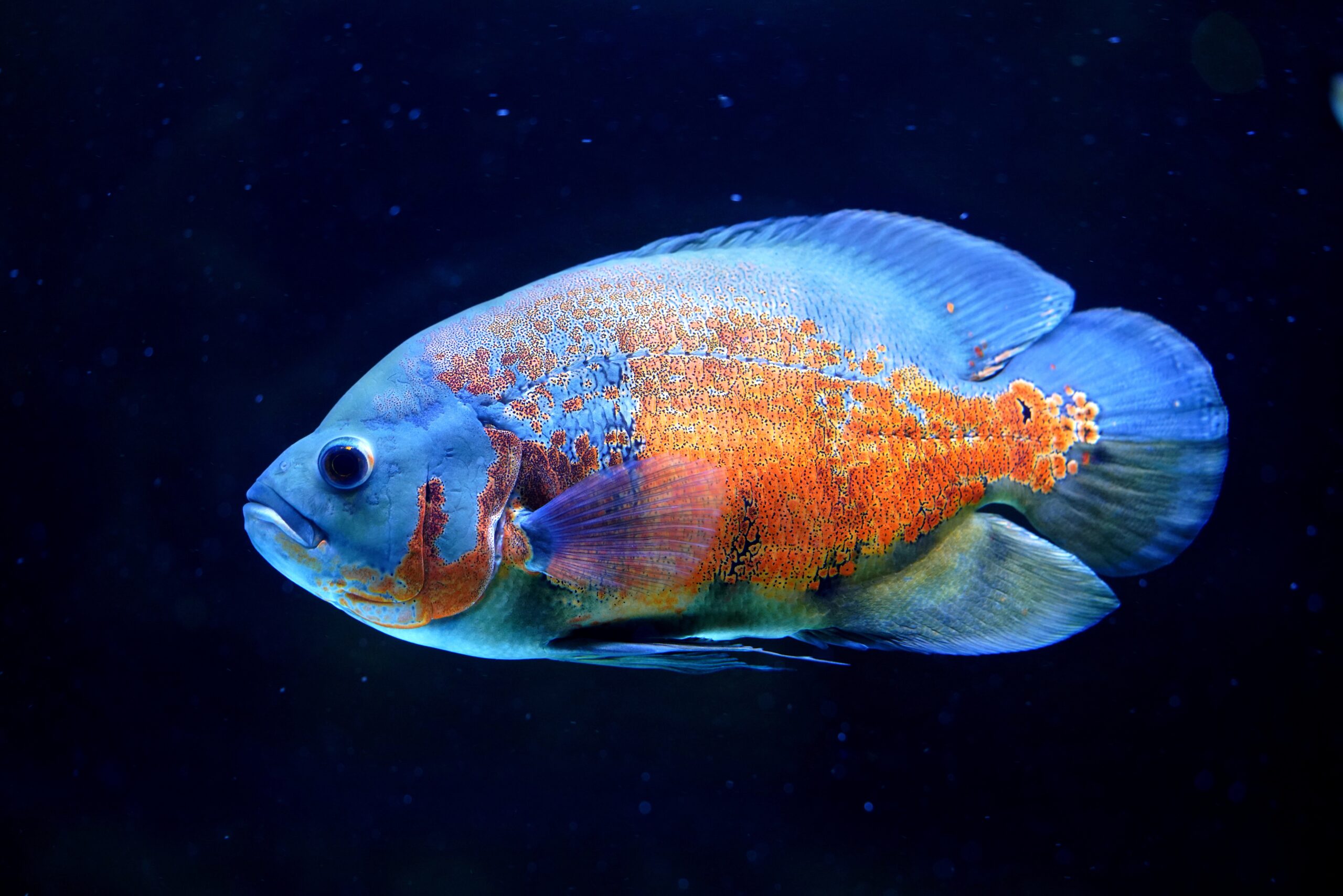
It is one of the most intense and stressful sights for an aquarium hobbyist: you look into your African cichlid tank, and instead of swimming peacefully, your fish are locked in non-stop conflict. One fish is darting across the rocks, chasing its tankmates relentlessly. Another fish is hovering in place, rapidly shaking and vibrating its entire body like it is having a muscle seizure.
Watching this chaotic, high-energy behavior can make you feel completely overwhelmed. You might instantly worry that your fish are suffering from a dangerous nervous system disease, a fatal parasitic infection, or that they are going to tear each other to pieces overnight.
While aggressive chasing and physical shaking require careful monitoring, these actions are actually deeply hardwired communication cues. African cichlids are famous for their complex social hierarchies and intense territorial behaviors. This comprehensive guide breaks down the biological triggers behind these dramatic vibrations, the structural tank design flaws that cause territory wars, and how to safely restore peace to your aquarium ecosystem.
Decoding the Underwater Hierarchy: The 4 Reasons for Chasing and Shaking
African cichlids native to the massive rift lakes of Africa (Lake Malawi, Lake Tanganyika, and Lake Victoria) possess advanced social structures. When they chase or vibrate, they are sending clear messages to the rest of the tank:
1. Territorial Dominance and Rock Patrolling
In their natural habitat, a male cichlid’s survival depends on claiming a small cave or rock pile. This territory is where they eat, sleep, and attract mates. If another fish swims anywhere near this claimed zone, the dominant male will instantly chase them away. The rapid shaking behavior (often called “shimmying” or “vibrating”) is a physical display of raw dominance. The male shakes to show off his size, flash his vibrant colors, and warn rivals to back off without engaging in a bloody, physical fight.
2. Complex Mating Rituals and Courtship
Shaking is not always a sign of war; it is also the primary dance of cichlid love. When a male cichlid wants to breed, he will locate a fertile female and swim directly in front of her face or near a dug-out pit in the gravel. He will tilt his body sideways and vibrate violently. This shaking action sends physical pressure waves through the water, showing the female that he is strong, healthy, and ready to breed. If she accepts, they will lay and fertilize eggs in that exact spot.
3. Establishing the Tank “Pecking Order”
Whenever you introduce new cichlids to a tank, or as young fish grow into adulthood, they must figure out who is the boss. This process creates a strict hierarchy from the alpha fish down to the weakest fish. Chasing is the tool they use to map out this pecking order. As long as the chasing is brief and doesn’t result in torn fins or a fish hiding in a top corner completely terrified, it is a normal, healthy part of cichlid behavior.
4. Extreme Overcrowding Stress or Poor Water Quality
While cichlids are naturally aggressive, a sudden drop in water quality or a lack of physical swimming space can drive their territorial instincts out of control. If your aquarium water holds high levels of toxic nitrate, or if the water temperature spikes too high, the fish become highly irritable and stressed. This neurological stress lowers their patience threshold, turning normal boundary chasing into vicious, non-stop physical attacks that can claim lives.
Is Your Cichlid Playing, Breeding, or Dying?
Managing an aggressive aquarium requires learning the difference between natural social posturing and life-threatening bullying:
- Normal Courtship Shaking: The male shakes his body smoothly in front of a female, then gently swims toward a cave or sand pit. The female remains calm and does not run away in panic.
- Submissive Shaking: A smaller, weaker fish will tilt its body at a 45-degree angle and shake gently in front of the alpha fish. This means: “I submit to you, please do not attack me.” The alpha will usually look away and leave them alone.
- Targeted Bullying: One specific fish is chased continuously by the entire tank, has ragged or torn fins, or spends 24 hours a day sitting completely still at the very top corner of the tank next to the heater or filter intake. This fish must be removed immediately before it is killed.
The Cichlid Reset Strategy: How to Bring Peace to a Hostile Tank
If your fish tank has turned into an active war zone, you cannot train the fish to stop fighting. Instead, you must manipulate their environment to break up their visual territories. Implement this correction blueprint:
Rearrange the Entire Rock Layout
Cichlids memorize the exact layout of their tank down to the millimeter. If an alpha fish has owned a specific cave for months, he will defend it fiercely.
- The Fix: Take all your fish out of the tank safely, or leave them inside while you completely remove and rebuild your rock piles. Create dozens of small, broken-up visual barriers and caves. When you place the fish back, their old territorial boundaries are completely gone. Every fish is starting from scratch on a neutral playing field, which drops aggression levels to zero for several weeks.
Implement the Overstocking Method Safely
Unlike traditional community aquariums where you want plenty of empty swimming space, African cichlids actually thrive when they are intentionally overcrowded.
- The Fix: Adding a higher number of cichlids to the aquarium diffuses the alpha fish’s aggression. When a dominant male wants to chase a target, he gets easily distracted by ten other fish crossing his path, preventing him from focusing on and killing one single victim.
- The Warning: Overstocking requires massive, heavy-duty filtration (like a large canister filter) and strict 30% weekly water changes to handle the heavy waste load.
Check the Water Parameter Balance
Ensure your water parameters match the hard, alkaline properties of the African Rift Lakes to prevent behavioral irritability. Use a digital probe to verify these parameters:
- pH Level: Keep it high and stable between 7.8 and 8.6 using crushed coral or cichlid buffer salts in your filter.
- Water Temperature: Maintain a steady range between 76°F and 82°F (24°C to 28°C). Avoid rapid temperature shifts.
© 2026 All Rights Reserved.
Disclaimer: The information provided on this website is for educational and informational purposes only. We are not licensed veterinarians, marine biologists, or professional aquatic life specialists. The content on this site is not intended to be a substitute for professional veterinary advice, diagnosis, or treatment. African cichlids possess highly complex, aggressive social structures that require advanced husbandry methods and precise water chemistry controls. This website will not be held responsible or liable for fish loss, aquarium damage, or actions taken based on the information provided in our articles. Always consult a qualified aquatic veterinarian or professional local fish specialist regarding the specific health, habitat layout, or chemistry needs of your aquarium.

Leave a Reply